Is the Fortezza of Rethymno worth visiting?
What you are actually walking into
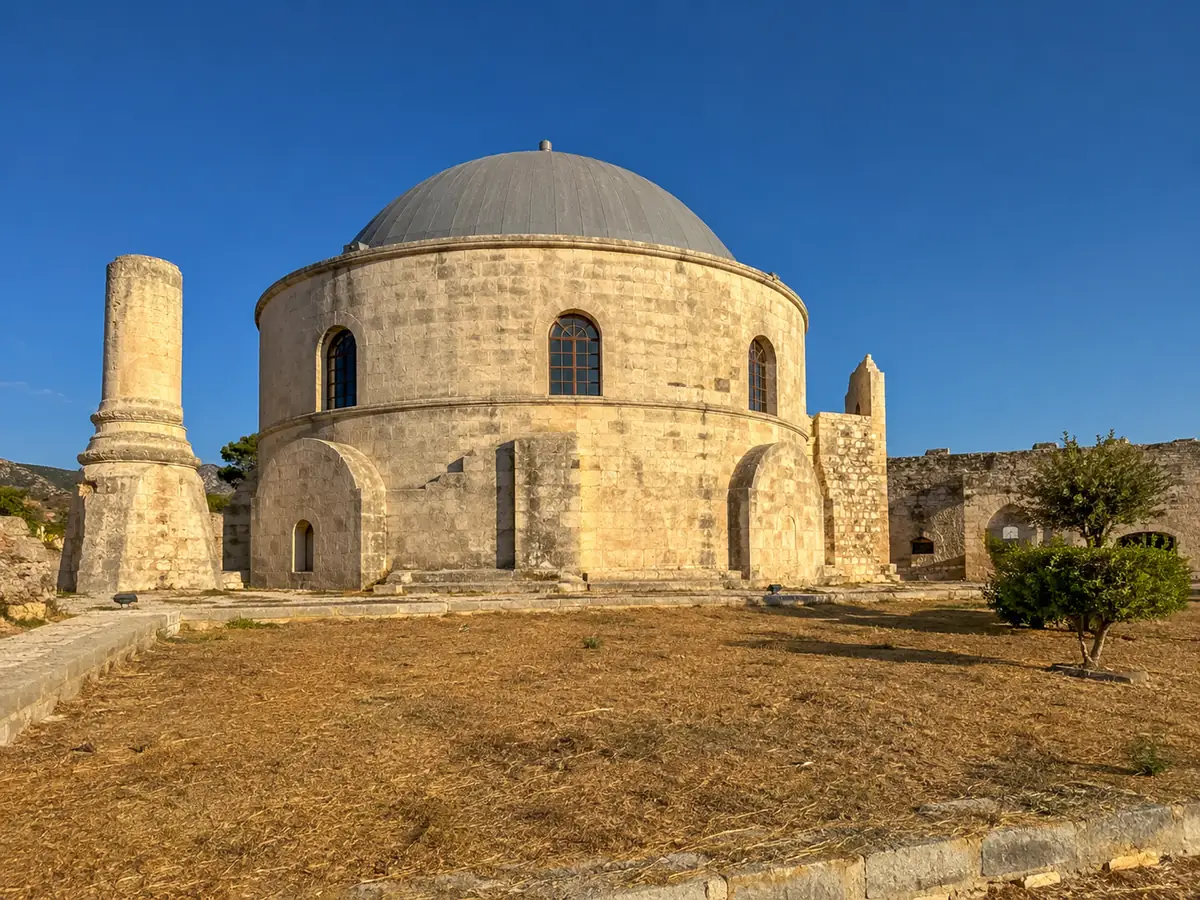
A Venetian citadel on Paleokastro hill, directly above the old town, on the site of the acropolis of ancient Rhithymna. Venice built it after the Ottoman admiral Uluc Ali Reis sacked Rethymno in 1571, in the same year Cyprus fell, which made Crete the republic’s largest overseas possession and its defence urgent. Sforza Pallavicini designed it, Giannis Skordilis built it, and 107,142 Cretans and 40,205 animals did the work. It was meant to shelter the whole town in a siege and it was too small to do it.
That is the answer to the real question behind "is it worth it". It is not a ruin with a view. It is an intact 16th-century military system you can walk the length of, and the view is a by-product of standing on a bastion.
Who should go
What works
- Anyone with a morning and a pair of closed shoes
- People who like fortifications, plans and engineering
- Photographers, in the first hour after opening
- Families with children old enough to walk a rocky hill
- Anyone already paying for a day in Rethymno
Worth knowing
- Wheelchair users: access is extremely limited, no lifts or ramps
- Anyone with 45 minutes in town and a coach to catch
- Midday visitors in July and August, unless you carry water
- Sandal wearers — the ground will punish you
Who should skip it
If you have mobility problems, be realistic. The site is rocky, unpaved and uphill throughout, there are no lifts or ramps, and the guided fortress tour states plainly that it is not suitable for wheelchair users or people with mobility impairments. If you arrive on a coach with 75 minutes in Rethymno, spend them in the old town instead; the harbour and the Rimondi Fountain are five minutes apart and you will enjoy them more than a rushed climb. And if it is 14:00 in August and you have no hat, go later. The hill does not get more interesting when you are suffering.
Alone or with a guide
Alone is fine. I say that as a guide. The gate ticket is cheap, the loop is obvious, and nobody will stop you sitting on a bastion for twenty minutes. What you will not get is the reason the big domed building has a dome, which is that it was the Cathedral of St Nicolas before it became the Mosque of Sultan Ibrahim, or the six weeks in autumn 1646 that decided who owned the town for the next 250 years. If those sentences make you want the rest, book the hour. If they do not, walk in and enjoy the sea. The trade-off is set out on the guided tours page.
Go in the first hour after opening or the last two before closing. Early is cool and empty; late puts the western bastions against the sunset over the Cretan Sea. Midday gives you the same stones with none of the light and all of the heat.
Before you climb
Check the ticket detail on the entrance fee page, work out your timing with how long you need, and if the month is still open in your plans, read the best time to visit first.
 Inside the wallsFortezza ticket included
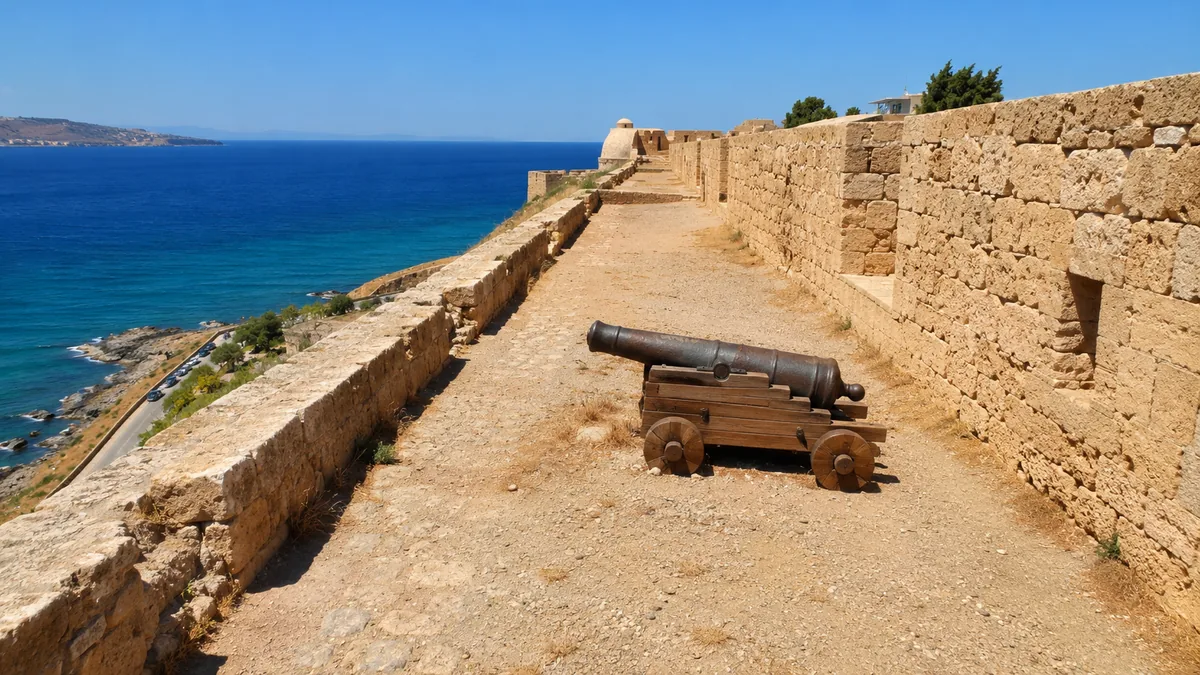
Fortezza: Explore the Fortress of Rethymno with a Certified Guide
 Old town classic
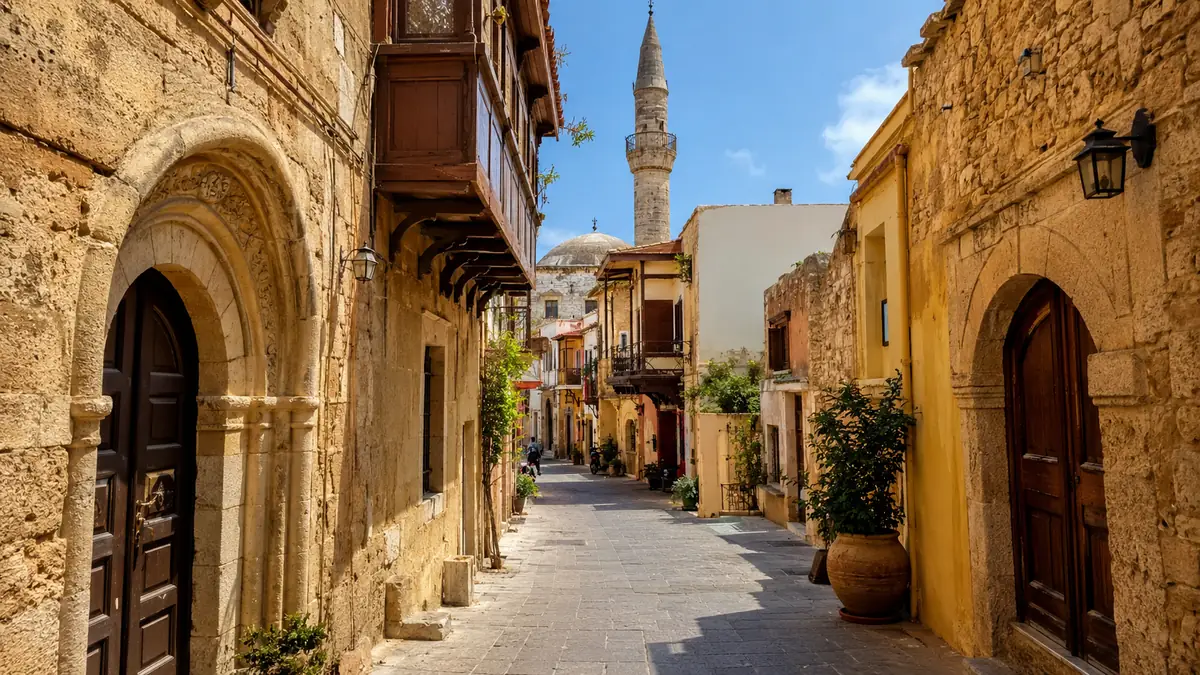
Rethymno: Guided Walking Tour in the Old Town Area
 Best value
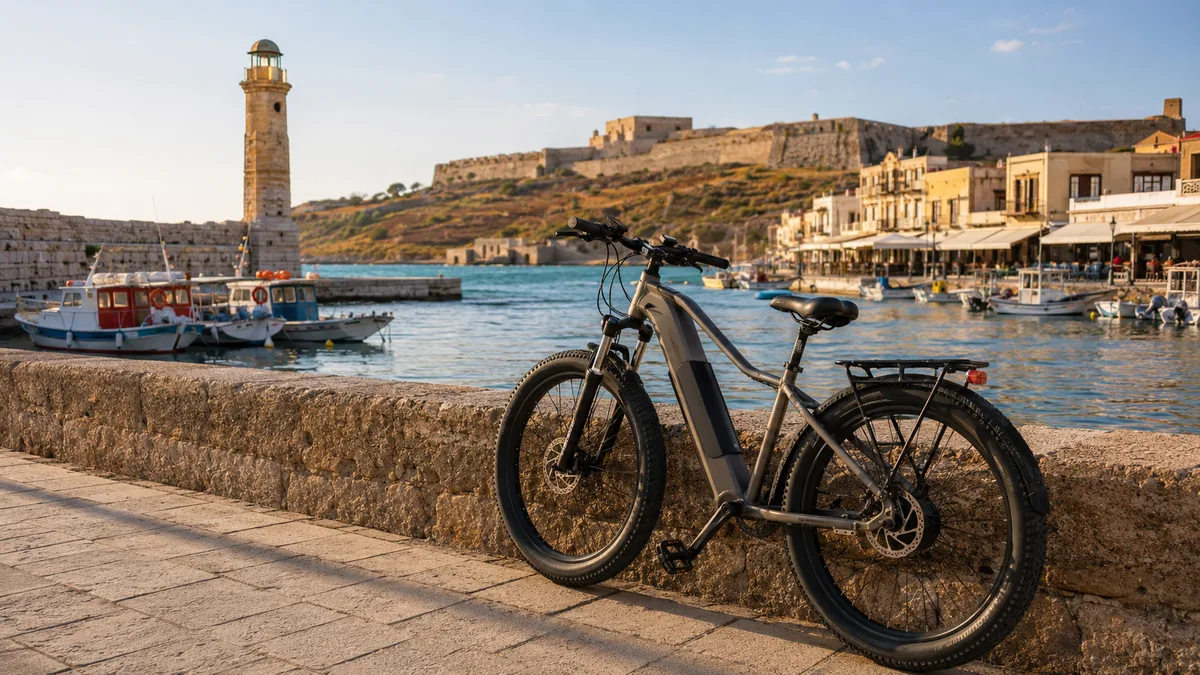
Rethymno: e-Bike Tour on the Old City
Frequently asked questions
Is the Fortezza worth the entrance fee?
For most people, yes. An adult ticket is about €5 and a proper visit takes 1.5 to 2 hours, which is a low price per hour for an intact Venetian citadel. The conditions are shoes, water and timing, not money.
Is there much to see inside, or is it just walls?
There is a mosque that was a cathedral, two 19th-century churches, the Rector’s prisons, the Council Building, an armoury, two gunpowder magazines, cisterns and an open-air theatre from 1993. The list is on what to see inside.
Can you visit the Fortezza with a wheelchair?
Access is extremely limited. The ground is rocky, unpaved and uphill, and there are no lifts or ramps. The guided fortress tour states that it is not suitable for wheelchair users or people with mobility impairments.
Is the Fortezza good for children?
For children who can handle a rocky uphill walk, yes: it is open space, cannons and ramparts. Bring water and a hat, because there is almost no shade anywhere on the hill.