Key takeaways
- Adult admission is about €5, reduced about €3, paid on the spot. There is no online booking for the site itself — how the gate ticket works.
- Allow 1.5 to 2 hours. A fast loop in, past the mosque and out again is about 45 minutes and skips the bastions with the sea views — how long you need.
- 1,307 metres of wall around four demi-bastions, begun on 13 September 1573 and finished by 1580 — what stands inside today.
- The main gate is on the east side, behind the Ottoman ravelin that now holds the Archaeological Museum, roughly a 10-minute climb from the Venetian harbour — finding the gate.
- €55 buys the one tour that goes inside as its subject, and the admission ticket is included in that price — what a guide adds.
- There is almost no shade on the hill. Go in the first hour after opening or the last two before closing — best time to visit.
What you actually have to pay
A walk through the Fortezza, in order
This is the order I take people in, and it is the order the ground makes sense in. Every stop below is a real, named building or bastion.
The plan is irregular, so the fort does not read as a neat square. You enter on the east side, climb through the middle where the churches and the administration stood, and finish on the west walls above the Cretan Sea. Between the mosque and the walls you also pass the bishop’s residence and two late-19th-century churches, St Theodore and St Catherine.
- The ravelin and the Archaeological Museum — The Ottomans added this outwork in front of the main gate. It now houses the Archaeological Museum, and you walk past it before you reach the gate.
- The main gate and the St Nicolas bastion — The gate sits between the St Nicolas and St Paul demi-bastions on the east side. Two smaller gates exist on the west and north sides and most visitors never use them.
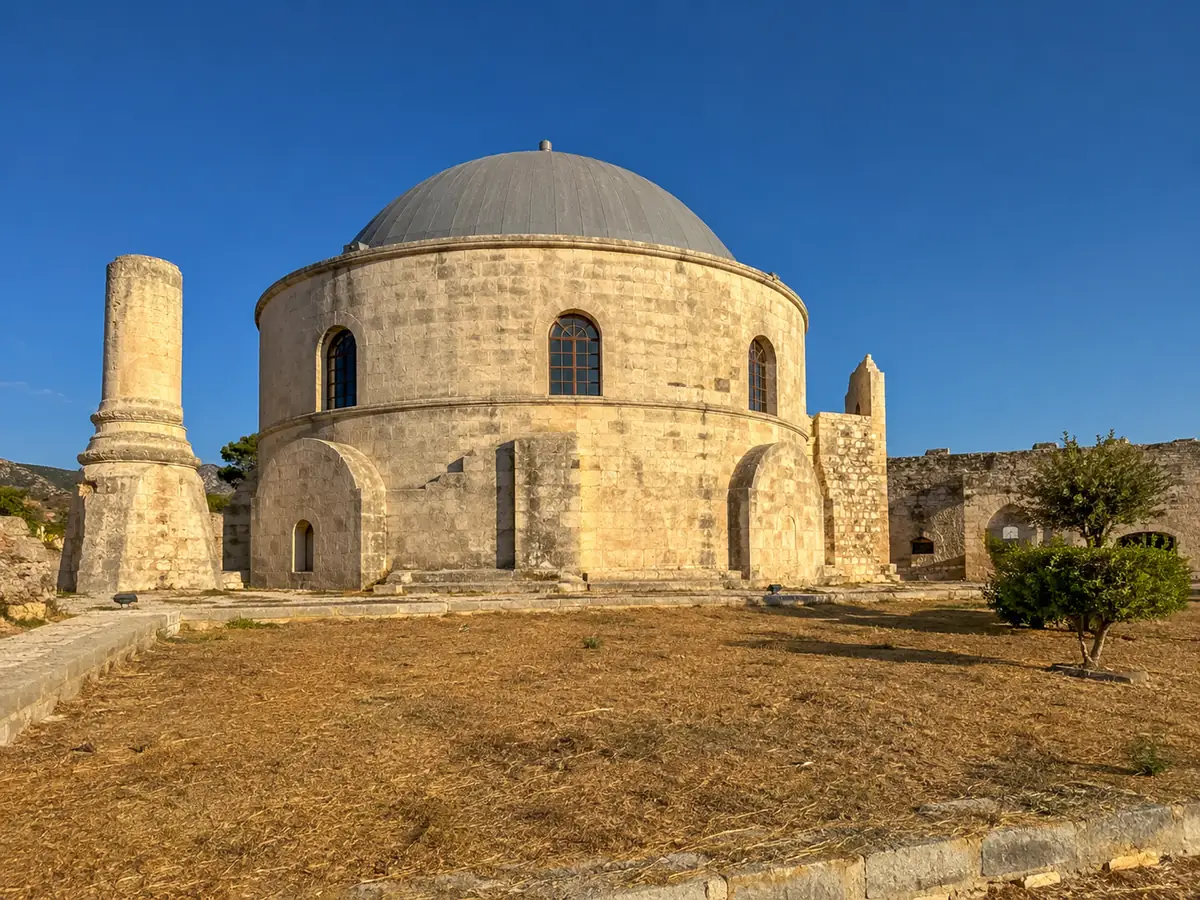
- The Mosque of Sultan Ibrahim — The large domed building, and the single most photographed thing on the hill. It was built as the Cathedral of St Nicolas; the Ottomans converted it after 1646.
- The House of the Rector — The Venetian governor lived here. Only the prisons survive, which tells you something about what got maintained and what did not.
- The Council Building and the armoury — Part of the Venetian administration sat in the Council Building. The armoury is the military half of the same idea.
- The gunpowder magazines and the cisterns — Two magazines, the storage rooms and several cisterns. Most people walk straight past this section, and it is the part that explains how a garrison lived up here.
- The Erofyli theatre on the St Elias bastion — An open-air theatre built on the south bastion and opened in 1993. It is used for concerts and festivals through the summer.
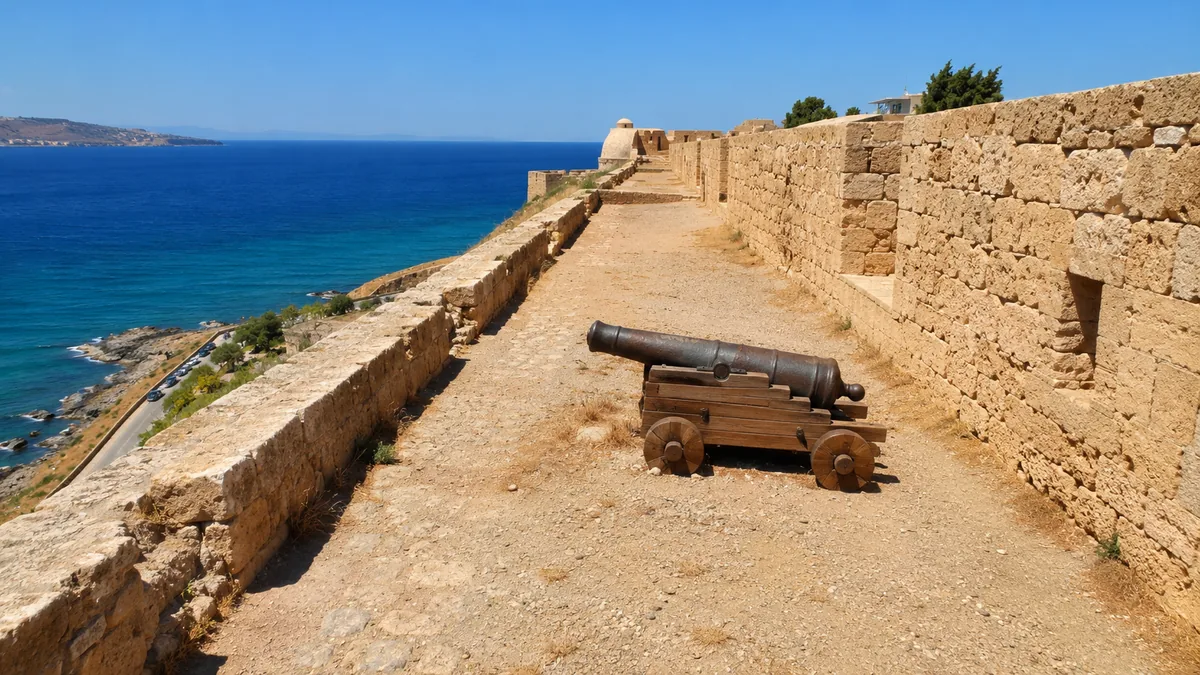
- The western bastions — St Lucas sits on the southwest corner, and the west walls face the Cretan Sea. This is where to stand in the last two hours before closing.
The full circuit is 1,307 metres of wall and takes 1.5 to 2 hours at a normal pace. The ground is rocky, unpaved and uphill throughout, there are no lifts or ramps, and wheelchair access is extremely limited. Read what to wear and the full inventory of what to see inside before you climb.
The most-reviewed tour that starts in Rethymno
Three hours, 42 reviews and a 4.9 rating, which is the best review record of anything on this page. The Fortezza is a photo stop on it rather than the subject, so if the inside of the fortress is what you came for, book the guided fortress tour instead.
Three Rethymno tours, side by side
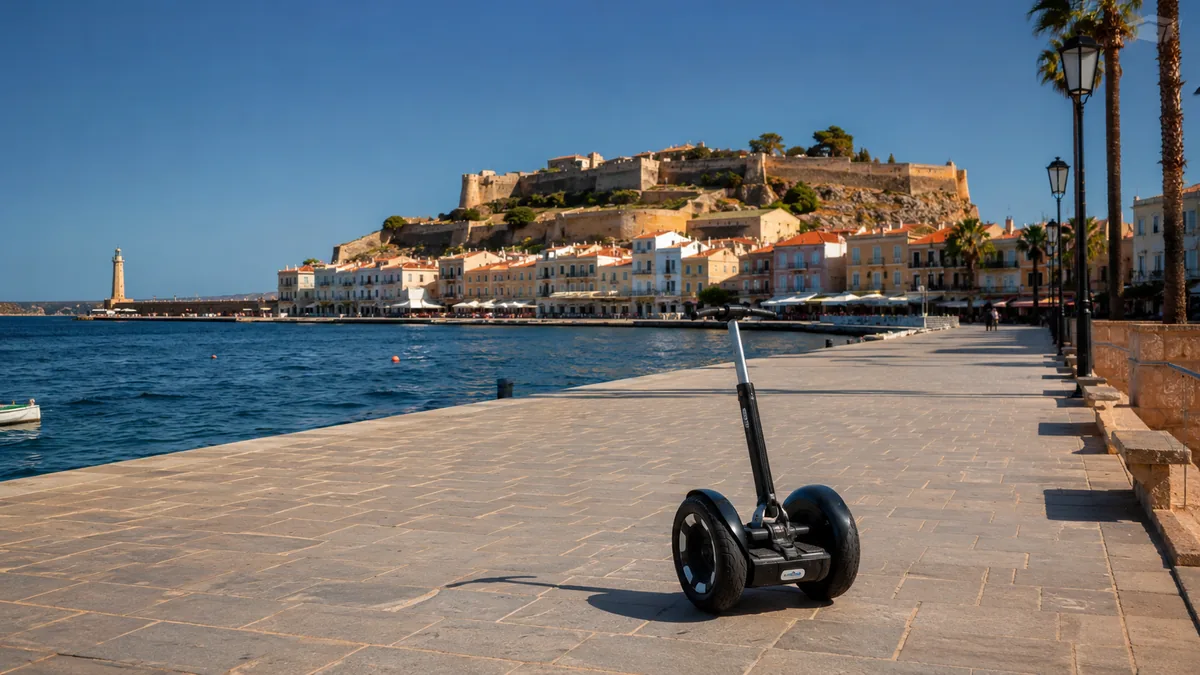
The e-bike tour, the fortress tour and the Segway tour are the three people usually choose between. They are not the same product.
| Rethymno: e-Bike Tour on the Old City | Goes insideFortezza: Explore the Fortress of Rethymno with a Certified Guide | Rethymno: Old Town Segway Tour | |
|---|---|---|---|
| Price | €45 | €55 | €65 |
| Length | 2 hrs | 1–1.5 hrs | 3 hrs |
| The Fortezza | Climbs up to it | Is the tour | Photo stop |
| Gate ticket included | No | Yes | No |
| Getting there | Hotel pick-up and drop-off | Meet outside the entrance | Hotel pickup and drop-off |
| Rating | 4.8 from 15 reviews | 5.0 from 1 review | 4.9 from 42 reviews |
| Not suitable for | Pregnant women, people with mobility impairments | Wheelchair users, people with mobility impairments | Pregnant women, under-6s, over 117 kg, under 35–40 kg |
| Take it if | You want the waterfront too, cheaply | You want the fortress explained | You want three hours and the longest review record |
| View → | Book this → | View → |
Photo Gallery
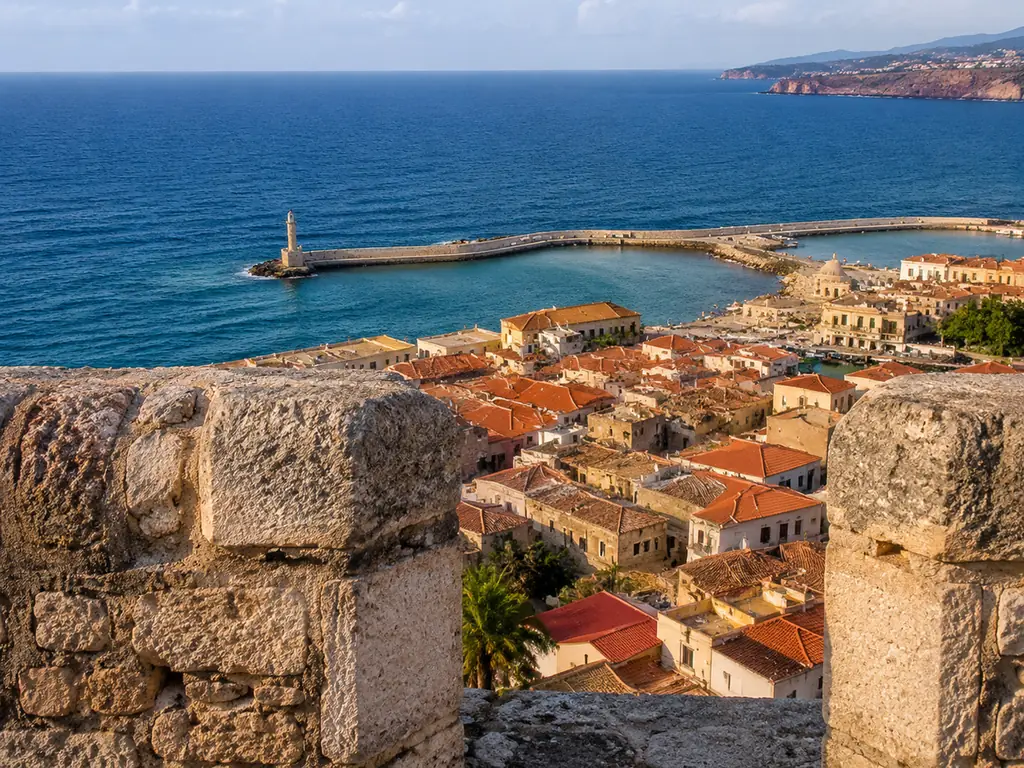
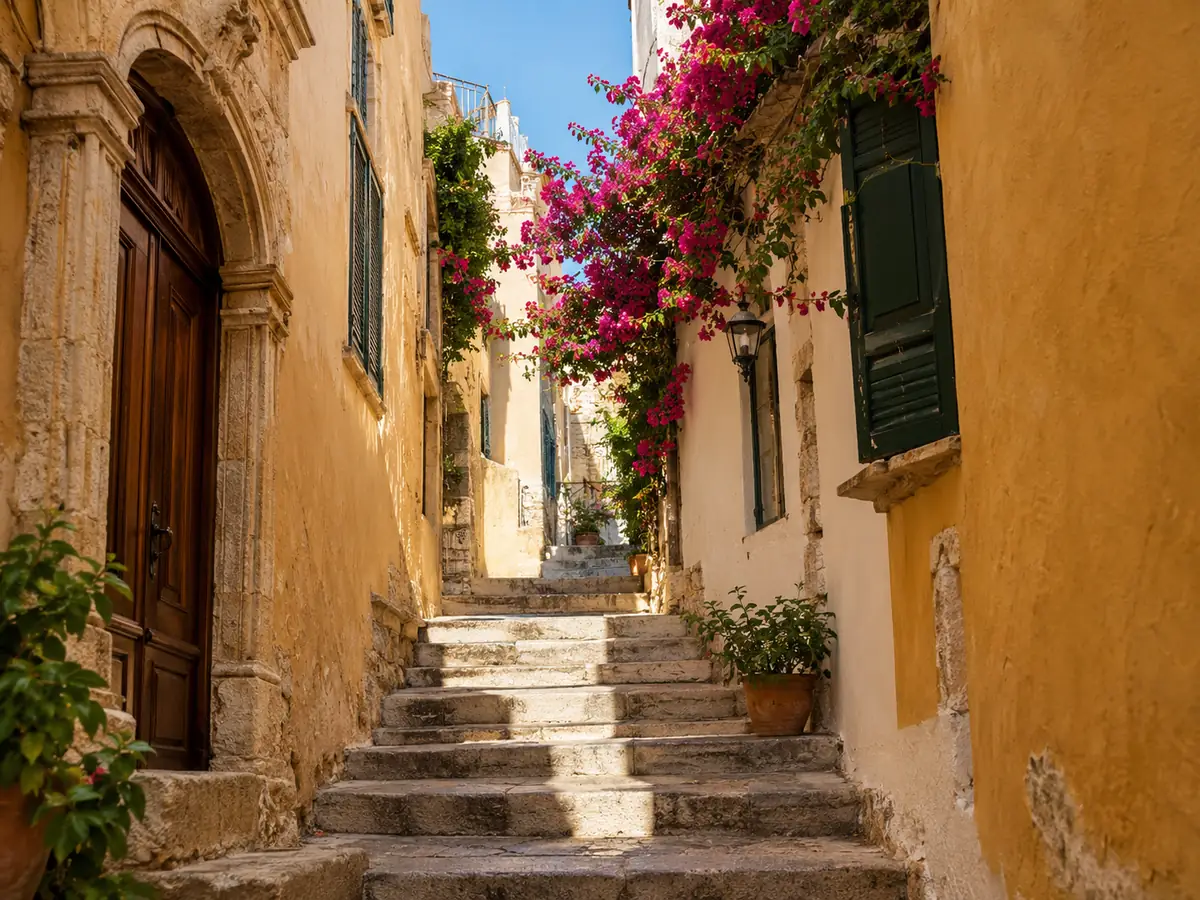
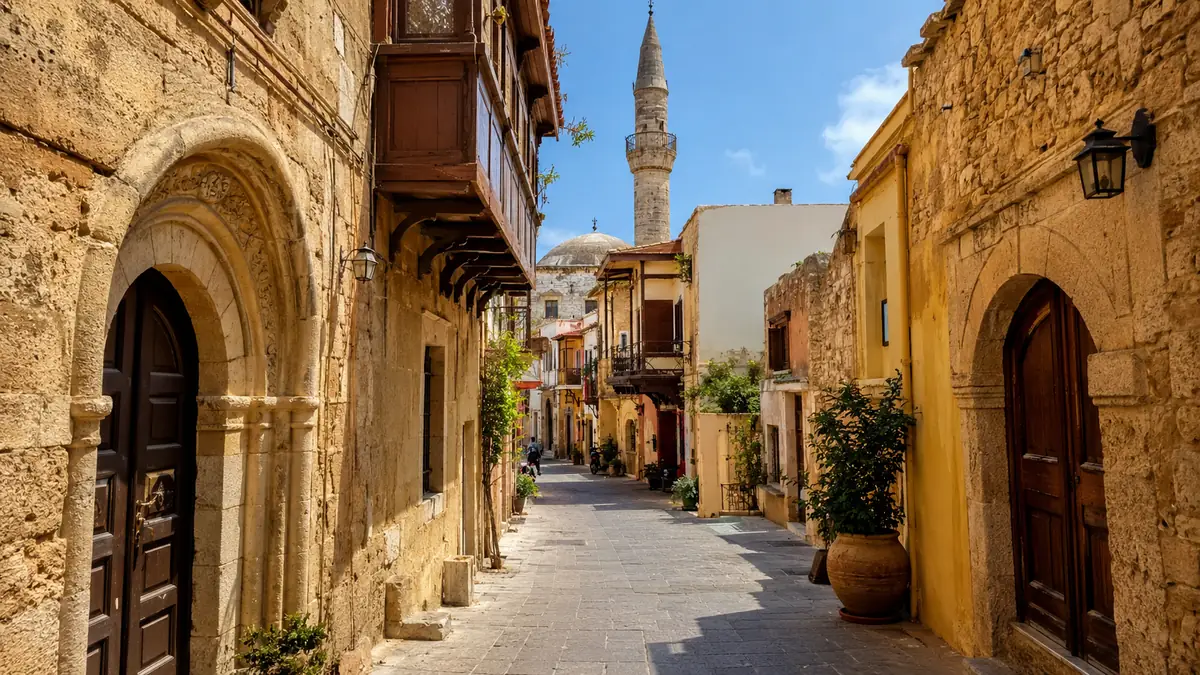
The Fortezza and the old town below it
The hill, the walls and the streets the tours on this page cover.
The six tours that cover Rethymno and the Fortezza
Two of these start from the Heraklion resorts and spend most of the day on a coach. Four start in Rethymno itself. Prices are per person.
Inside the wallsFortezza ticket includedFortezza: Explore the Fortress of Rethymno with a Certified Guide
Highest ratedRethymno: Old Town Segway Tour
Old town
classicRethymno: Guided Walking Tour in the Old Town Area
 Best value
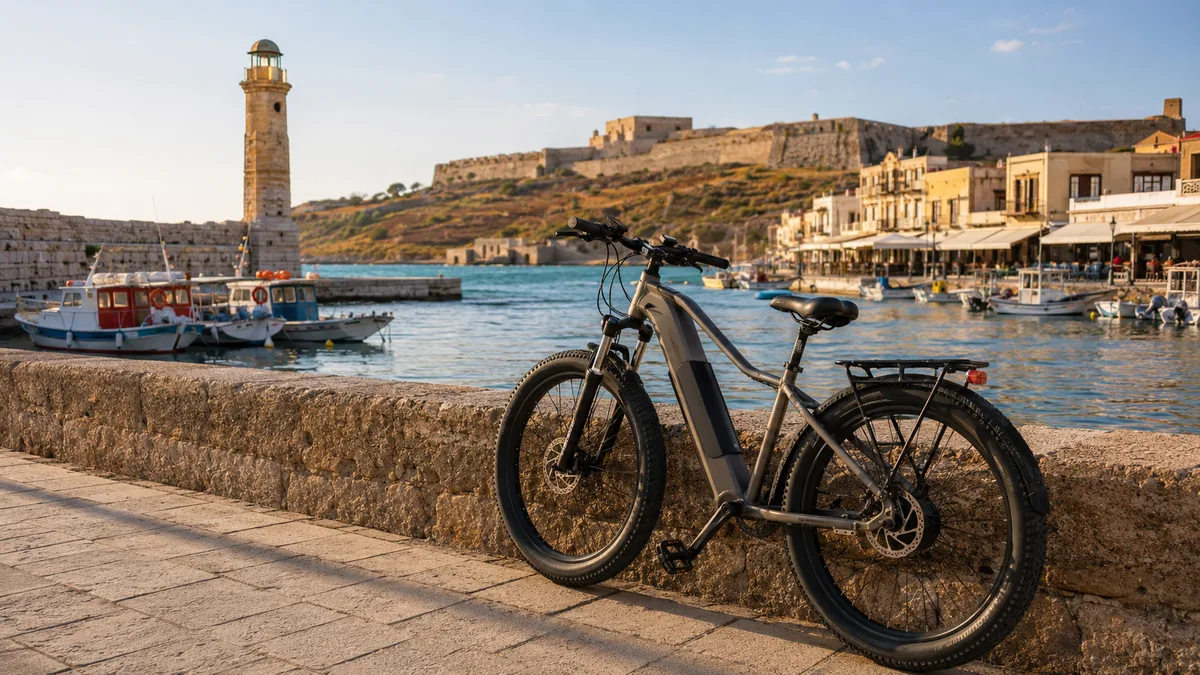
Rethymno: e-Bike Tour on the Old City
 Beach & town
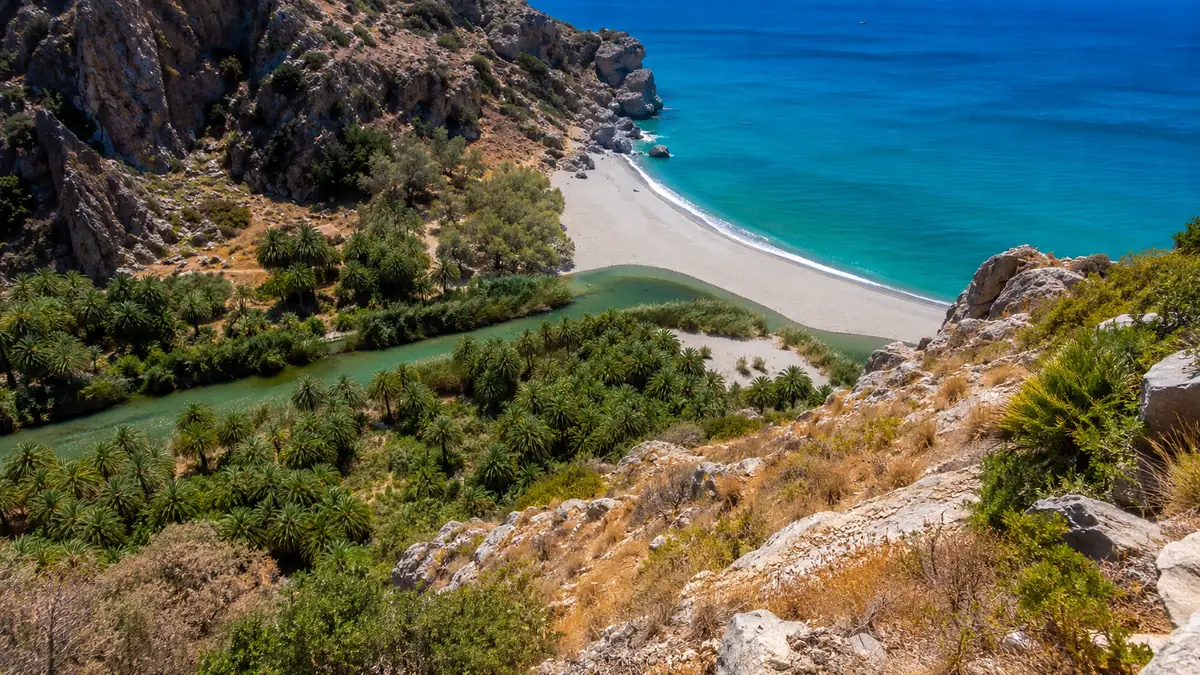
Day Trip to Preveli & Damnoni Beach & Rethymno City Tour
 Most booked
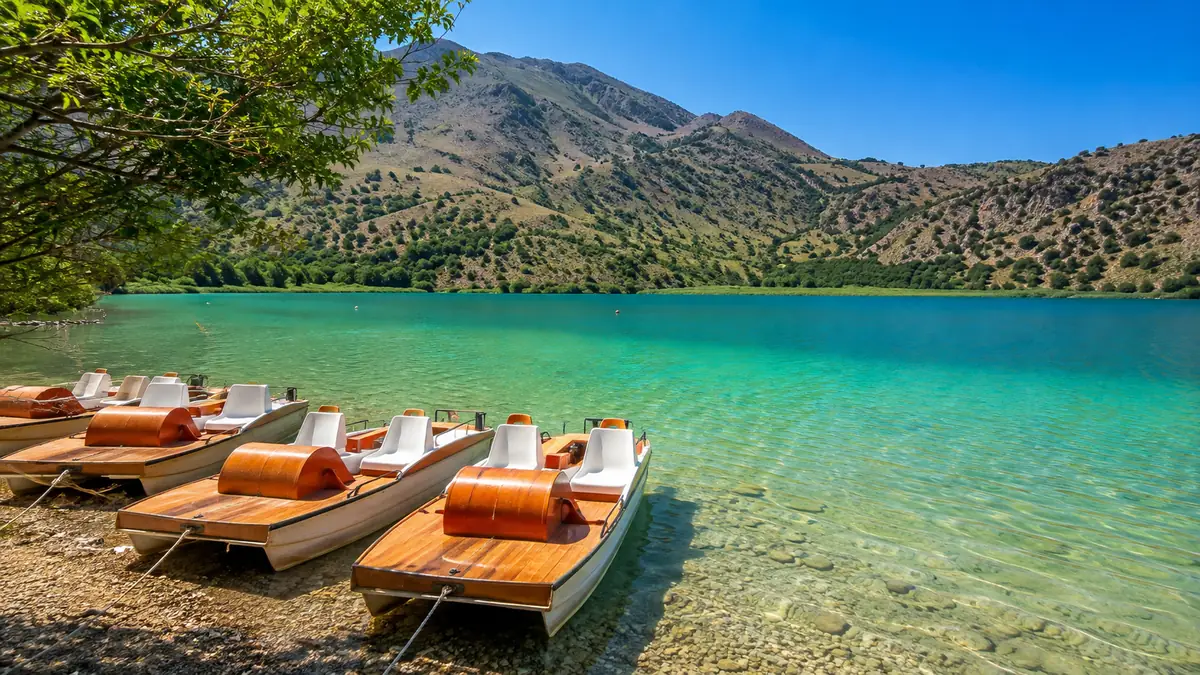
Crete: Chania, Lake Kournas and Rethymno Tour
What people wrote after these tours
Live GetYourGuide review snippets from the six tours above, including the ones that are lukewarm. I have not tidied them up.
Great guide, we had a lovely time exploring the Fortezza.
We had a very nice and informative tour of Rethymno old town with our guide, Elli. She was communicative before the tour and really knew her history.
The e-bike tour was amazing, the live guide took more time to show us the most beautiful streets.
We had a wonderful Segway tour through Rethymno and would definitely recommend it. The route was beautiful and varied.
It was good, but a bit too fast. Not much time to see everything. Olga was really great as a guide.
Very good that we didn’t stay too long in Preveli; 2 hours is the perfect length of stay.
Ratings and reviews are the operators’ live GetYourGuide figures. Read our full tour reviews ›
Five things people ask me on the way up
Short answers, with the longer version linked. If the short answer is enough, you have saved yourself a click and possibly a booking.
Do I need a guide to get in?
No. You pay at the gate and walk in. The site is run by the Greek Ministry of Culture and Sports, not by me and not by any operator, and there is no way to pre-book the ticket on its own. A guide is worth the money when you want the 1646 siege and the cathedral-to-mosque conversion explained rather than guessed at. The one tour that does that is on guided Fortezza tours.
How long does the hill take?
One and a half to two hours at a normal pace, and about 45 minutes if you only want the mosque and the view. The old town below can be walked end to end in under an hour without stopping. More on how long you need.
Rethymno or Chania?
Rethymno is smaller, the beach starts at the edge of the old town, and the Fortezza is a bigger fortification than anything you can walk around in Chania. Chania has the more photogenic harbour and more places to eat. The straight comparison is on Rethymno or Chania.
What should I put on my feet?
Closed shoes. The ground is rocky, unpaved and uphill, there are no ramps, and there is almost no shade to recover in. Sandals are a mistake people make once. Full list on what to wear.
Is a day trip from Heraklion enough?
The Chania and Lake Kournas coach day gives Rethymno 1 hour 15 minutes, which does not cover going inside the Fortezza, and it costs €40 for 340 km of driving. The Preveli day gives 45 minutes guided plus an hour and a half free. Both are compared on all tours.
Can’t make these dates?
Browse more available Fortezza Rethymno tour and find one that fits your schedule — all with instant confirmation and free cancellation.
The Fortezza of Rethymno, explained
I grew up three streets below the Guora Gate and I have been walking visitors up to the Fortezza since 2009. The question I get most often is not about the Venetians. It is whether the climb is worth the afternoon. To answer that you need to know why something this big is sitting on a hill above a town this small.
Why a fortress this size exists here
In 1571 the Ottoman admiral Uluç Ali Reis sacked Rethymno. The same year Cyprus fell to the Ottomans, which left Crete as Venice’s largest overseas possession and made the defence of its towns urgent rather than theoretical. Paleokastro hill, on the west side of the town, had already held the acropolis of ancient Rhithymna. Venice built on it.
The stated purpose was to shelter the whole population of the town during an invasion. It was too small to do that, and everyone involved must have known it. What went up instead was a garrison fort with an administrative quarter inside, which is a different thing.
Who built it, and at what cost
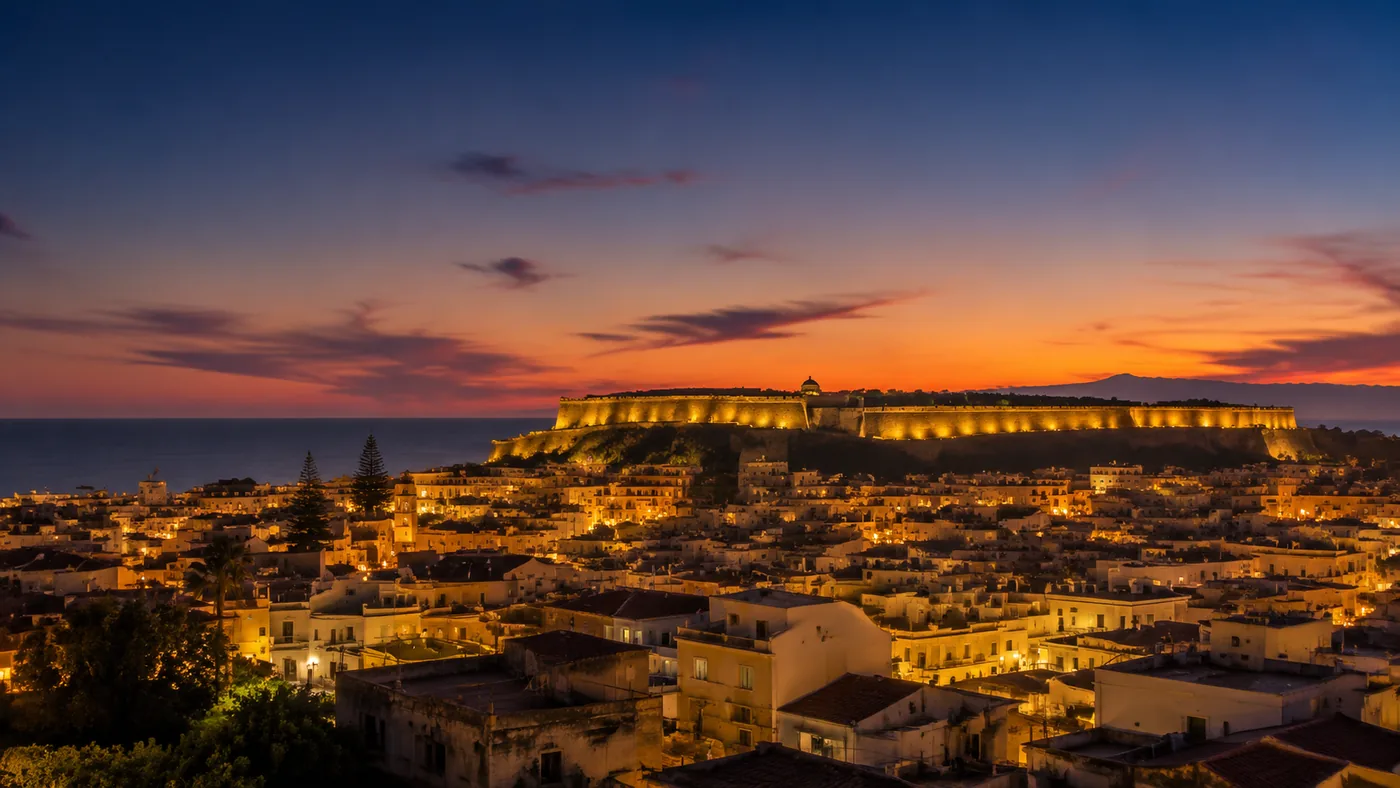
Construction began on 13 September 1573 and was finished by 1580. The design came from the military engineer Sforza Pallavicini, working on the Italian bastioned system: low, thick, angled walls built to absorb cannon fire rather than tall walls built to stop ladders. The master builder was Giannis Skordilis. The plan is irregular because the hill is irregular, and the walls run 1,307 metres in total around four demi-bastions: St Nicolas on the east, St Paul (also called Santa Maria) on the southeast, St Elias on the south and St Lucas on the southwest.
The labour was forced. 107,142 Cretans and 40,205 animals were put to work on it. I say that number out loud on every tour, because a wall you have paid five euro to look at reads differently once you know who carried the stone. The main gate faces east, between St Nicolas and St Paul, and there are two smaller gates on the west and north sides that most visitors never find. If you want the practical version of that, it is on where the entrance is.
Six weeks in 1646
The fort had one famous day and then six bad weeks. On 29 September 1646, during the Fifth Ottoman–Venetian War, an Ottoman force besieged Rethymno and the town’s population retreated inside the walls. Disease, food shortages and running out of ammunition finished it. The Venetians surrendered on favourable terms on 13 November 1646.
What happened next is the interesting part. The Ottomans changed very little. They added the ravelin outside the main gate, garrison housing and administrative buildings, and they converted the Cathedral of St Nicolas into the Mosque of Sultan Ibrahim. That domed building is still the most photographed thing on the hill, and the reason it has a dome is that it was a cathedral first. The fort stayed in military use into the early 20th century.
What survives, and what does not
By the early 20th century the inside of the fortress was full of houses. After the Second World War most of them were demolished, along with the town’s landward walls. For a while the place was a local prison. Large-scale restoration began in the early 1990s, and it is now managed by the Greek Ministry of Culture and Sports and open to the public.
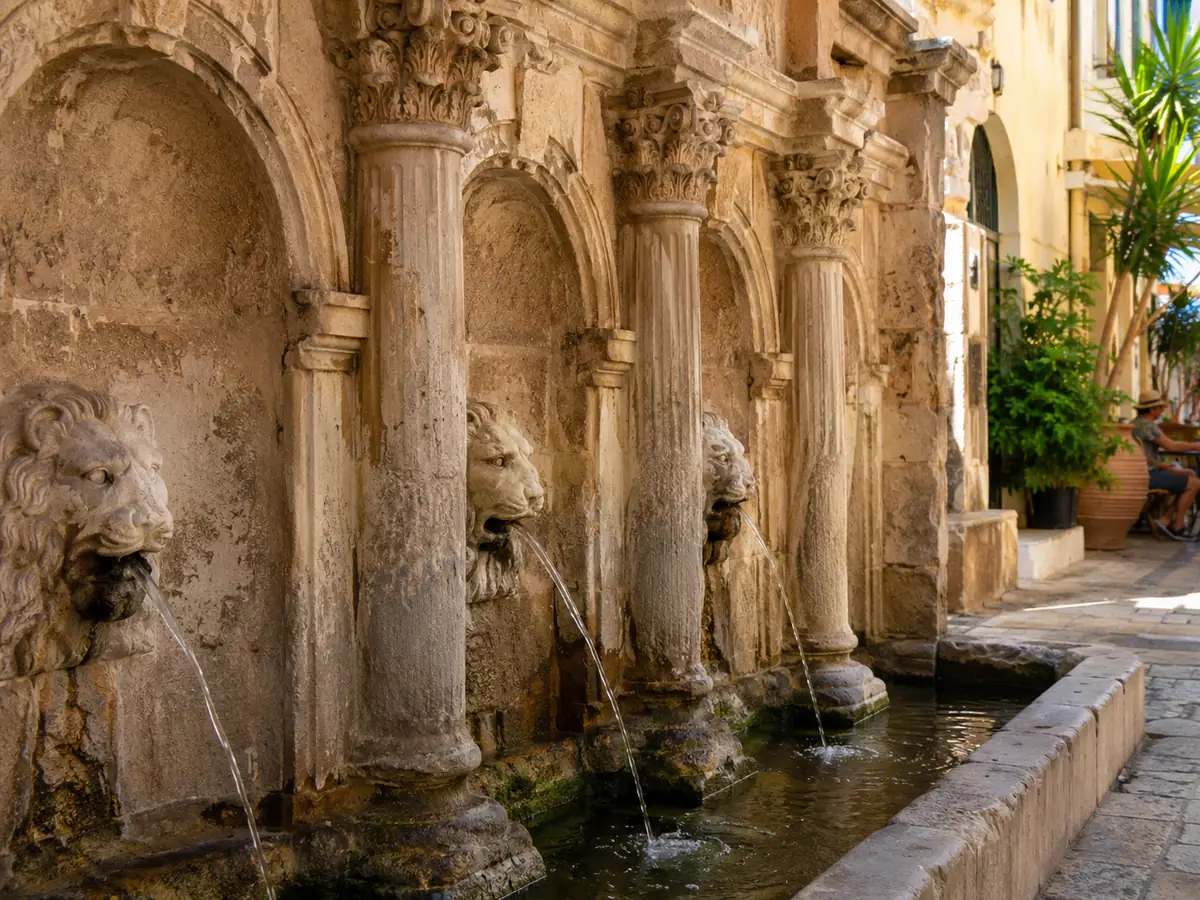
So the interior is emptier than the maps suggest. The mosque stands. So do the churches of St Theodore and St Catherine, both built in the late 19th century, and the bishop’s residence near the mosque. Of the House of the Rector, the Venetian governor’s residence, only the prisons survive. The Council Building, the armoury, two gunpowder magazines, storage rooms and several cisterns are all still there to walk through. The Erofyli open-air theatre on the St Elias bastion is the newest thing up here: it opened in 1993 and it is used for concerts and festivals in summer. The full walk-through is on what to see inside.
Should you pay a guide?
Here is the straight answer. Adult admission is about €5 at the gate, around €3 reduced, and there is no online booking for the site itself. Allow 1.5 to 2 hours. If you are happy reading a board and looking at a view, walk in alone and keep your money. Plenty of people should. The signage will not lie to you.
What a guide adds is the part the signage leaves out: why 1,307 metres of wall was worth building at all, what six weeks in the autumn of 1646 did to the town, and why the mosque has a dome. The one tour whose subject is the inside of the fortress runs 1 to 1.5 hours, costs €55 and includes the admission ticket, so the real difference is about €50 for the explanation. It is a new listing with a single five-star review, which is one review, not a track record. I would rather tell you that than let you assume the number means more than it does. Compare it against the alternatives on guided Fortezza tours and all six Rethymno tours.
One last practical thing, since it decides more visits than the history does. The ground is rocky, unpaved and uphill, there are no lifts or ramps, and there is almost no shade. Closed shoes, water, and the first hour after opening or the last two before closing. In July and August that is not advice, it is the difference between a good afternoon and a bad one. See the best time to visit.
Frequently asked questions
What is the Fortezza of Rethymno?
A Venetian citadel on Paleokastro hill, on the west side of Rethymno and directly above the old town, built between 13 September 1573 and 1580 after the Ottoman admiral Uluç Ali Reis sacked the town in 1571. The walls run 1,307 metres around four demi-bastions, and the domed Mosque of Sultan Ibrahim inside it started life as the Cathedral of St Nicolas. The full story is in the complete Fortezza guide.
How much is the entrance fee?
Adult admission is about €5 and reduced admission for children, students and over-65s is around €3, paid at the gate. There is no online booking for the site itself, so the only way to pre-book anything is a guided tour that includes admission. See the entrance fee page, or the tour that includes the ticket.
Where is the entrance to the Fortezza?
On the east side, between the St Nicolas and St Paul bastions, behind the Ottoman-era ravelin that now houses the Archaeological Museum. It is roughly a 10-minute climb from the Venetian harbour, and there is parking near the entrance that fills up by mid-morning in July and August. Directions are on where the entrance is.
How long do you need inside the Fortezza?
Allow 1.5 to 2 hours to see it properly. A fast loop — in, the mosque, out — takes about 45 minutes and skips the storage rooms, the bastions with the best sea views and the quiet corners. More detail on how long to visit.
Is Rethymno nicer than Chania?
Rethymno is smaller and its beach starts at the edge of the old town, which is unusual for a Cretan old town and the honest reason to prefer it with children. Chania is larger, its harbour photographs better and it has more places to eat. Both towns sit on the north coast about an hour and a quarter apart by bus. The full comparison is on Rethymno or Chania.
Is Rethymno safe?
Crete has low violent crime and the old town is comfortable to walk at night; ordinary pickpocket sense in crowded summer streets is enough. Swimming at Rethymno beach is fine, though the north coast catches wind, and a red flag means what it says. More on is Rethymno safe.
Can you drink the tap water in Rethymno?
Yes. It is treated, it meets standards and it is fine for brushing your teeth. Coastal water in Crete is hard and can taste of chlorine, which is why plenty of locals buy bottled — that is taste, not safety. See the tap water page.
When is the best time to visit the Fortezza?
April to June and September to October are the good months: warm, open, and the hill is walkable at midday. In July and August go at 08:00 or after 18:00, because there is almost no shade up there. Winter is quiet and cheap, but hours are shorter and some tours do not run, so confirm before you travel. More on the best time to visit.
Still have questions? Email us [email protected]